Premium Cladding Stone & Cultured Stone in Hyderabad

Transform your villa, facade, or feature wall with elegant natural stone cladding and manufactured cultured stone — supplied and installed by Hyderabad’s trusted stone specialists since 2008.

Why Choose Aquastilez

  1. Premium Quality — Sourced and manufactured stone that holds colour and texture for years, not just at handover.
  2. Professional Installation — Trained masons who understand substrate prep, drainage, and jointing for lasting adhesion.
  3. Affordable Pricing — Transparent, itemised quotes with no hidden costs, across natural and cultured stone ranges.
  4. 100+ Projects Completed — Villas, apartments, and commercial builds across Hyderabad and Secunderabad.
  5. Experienced Team — Over 15 years supplying tiles, sanitaryware, and stone cladding to homeowners and builders.
  6. On-Time Delivery — Site-inspection-first process keeps installation timelines realistic and on schedule.
  7. Workmanship Warranty — Installation backed by warranty, with support if issues arise post-installation.
  8. Customer Satisfaction — Repeat business from architects, interior designers, and builders across the city.

What Is Cladding Stone?

Cladding stone is a thin layer of natural stone applied to the surface of a wall to enhance its appearance without adding structural load. Unlike solid masonry construction, stone cladding is a veneer — cut and finished from natural rock such as slate, granite, sandstone, quartzite, or limestone, then fixed to the wall using mechanical anchors or adhesive-based systems.

Benefits of Natural Stone Cladding

Natural stone cladding brings a texture and depth that manufactured materials struggle to replicate. Each piece carries its own grain, colour variation, and surface character, which is why architects and interior designers specify it for villa elevations, compound walls, and feature walls where a premium finish matters. Beyond appearance, natural stone is highly durable, weather resistant, and typically adds long-term value to a property. It performs well in both direct sun and monsoon exposure, and with proper sealing, resists staining and moisture absorption.

Applications of Cladding Stone

Cladding stone is used across villa elevations, apartment facades, compound and boundary walls, garden walls, reception lobbies, and commercial building exteriors. It also works indoors as a feature wall behind a TV unit, in a living room, or along a staircase wall, where its texture becomes a design focal point.

Advantages at a Glance

Natural stone cladding offers authentic texture, long-term durability, strong weather resistance, and a finish that typically requires no repainting. The trade-off is a higher material cost and heavier weight compared to manufactured alternatives, which is where cultured stone becomes a practical option.

What Is Cultured Stone?

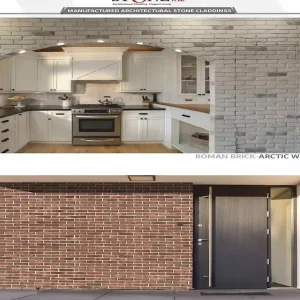
Cultured stone, also known as manufactured stone veneer, is a lightweight cladding material cast from a blend of cement, lightweight aggregates, and mineral pigments, moulded to replicate the look and texture of natural stone. It is designed as a cost-effective, easy-to-install alternative that delivers a similar visual impact to natural stone at a lower weight and price point.

Benefits of Cultured Stone

Because cultured stone is significantly lighter than natural stone, it can be installed on a wider range of surfaces, including drywall and lightweight partitions, without additional structural support. It comes in consistent shapes, sizes, and colour batches, which makes installation faster and more predictable. It is also weather resistant and low maintenance, needing only occasional cleaning to stay looking new.

Applications of Cultured Stone

Cultured stone is popular for accent walls, fireplace surrounds, TV units, reception counters, and garden features, as well as exterior facades where a natural-stone look is desired without the weight or cost of quarried stone. It suits both residential and commercial interiors, including hotels, restaurants, and office lobbies.

Advantages at a Glance

Cultured stone offers a lighter installation load, faster turnaround, more budget-friendly pricing, and consistent appearance across large wall areas — making it a strong choice for projects where speed and budget matter alongside aesthetics.

Stone Categories

  1. Slate Stone — Layered, textured stone in muted greys and greens, popular for feature walls and flooring accents.
  2. Granite — Dense, hard-wearing stone suited to high-traffic exteriors and compound walls.
  3. Sandstone — Warm, earthy tones ideal for villa elevations and garden features.
  4. Quartzite — Durable and light-reflective, often used for premium facades.
  5. Limestone — Soft, uniform tones that suit minimal, contemporary elevations.
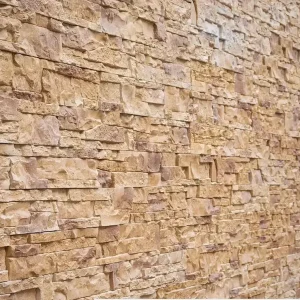
  6. Stack Stone — Horizontally stacked natural pieces for a bold, dimensional wall.
  7. Ledgestone — Flat, staggered stone panels for a refined, linear look.
  8. Cultured Stone Panels — Manufactured veneer panels replicating natural textures at lower weight and cost.
  9. Dry Stack Stone — Mortar-free appearance for a rustic, natural aesthetic.
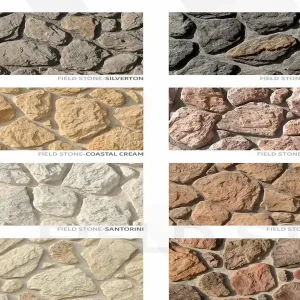
  10. Fieldstone — Rounded, irregular stones for a traditional, organic finish.

Our Process

  1. Consultation — Understand your space, design goals, and budget.
  2. Material Selection — Choose from natural stone or cultured stone samples on-site or in showroom.
  3. Site Inspection — Assess wall condition, surface prep, and drainage needs.
  4. Installation — Skilled masons complete cladding with proper anchoring and jointing.
  5. Final Inspection — Quality check and handover, with warranty on workmanship.

FAQ'S -About Cultured Stones Cladding

What is the difference between cladding stone and cultured stone?
Cladding stone usually refers to natural stone veneer cut from quarried rock, while cultured stone is a manufactured, lightweight material cast from concrete and pigments to look like natural stone. Cladding stone offers authentic texture and long-term value, while cultured stone is lighter, more uniform, and easier to install.
Stone cladding costs in Hyderabad typically range depending on the stone type, panel size, wall preparation, and installation complexity. Natural stone generally costs more than cultured stone. Share your area and stone preference with our team for an accurate, itemised quote.
Yes. Quality cultured stone is manufactured to resist UV exposure, rain, and temperature swings, making it well suited to Hyderabad’s hot summers and monsoon rains when installed with proper weatherproofing and drainage detailing.

A typical villa elevation or feature wall takes a few days to a couple of weeks depending on surface area, stone type, and site conditions. Our team provides a project-specific timeline after the site inspection.


In most cases, yes. Stone cladding can be installed over plastered brick, block, or concrete walls once the surface is checked for stability, dampness, and proper preparation. Our team inspects the substrate before recommending the installation method.
Stone cladding is low maintenance. Occasional washing with water and a soft brush keeps most natural and cultured stone looking new. Sealed natural stone may need resealing every few years depending on exposure.
Both work well for villa elevations. Natural stone gives a premium, one-of-a-kind texture and tends to add resale value, while cultured stone offers a lighter, budget-friendly option with consistent colour and faster installation. Your architect’s design and budget usually decide which fits best.
Yes. We supply and install stone cladding for interior feature walls, TV units, reception areas, and living spaces, as well as exterior facades, compound walls, and garden walls.
CallWhatsApp